Two quiet processes decide how long a water heater lasts: sediment and corrosion. Sediment comes from minerals that separate out as water is heated and sink to the bottom of the tank, where they steal efficiency, cause popping and rumbling on gas models, and overheat the steel or bury the lower element on electric ones. Corrosion is held back by the anode rod, a sacrificial rod of magnesium or aluminum that wears away so the tank lining is spared. Neither one is visible from the outside, and by the time a homeowner notices, the tank is often leaking. That is the reason maintenance matters for St. Cloud, MN homes: it interrupts both problems while they are still cheap to fix.
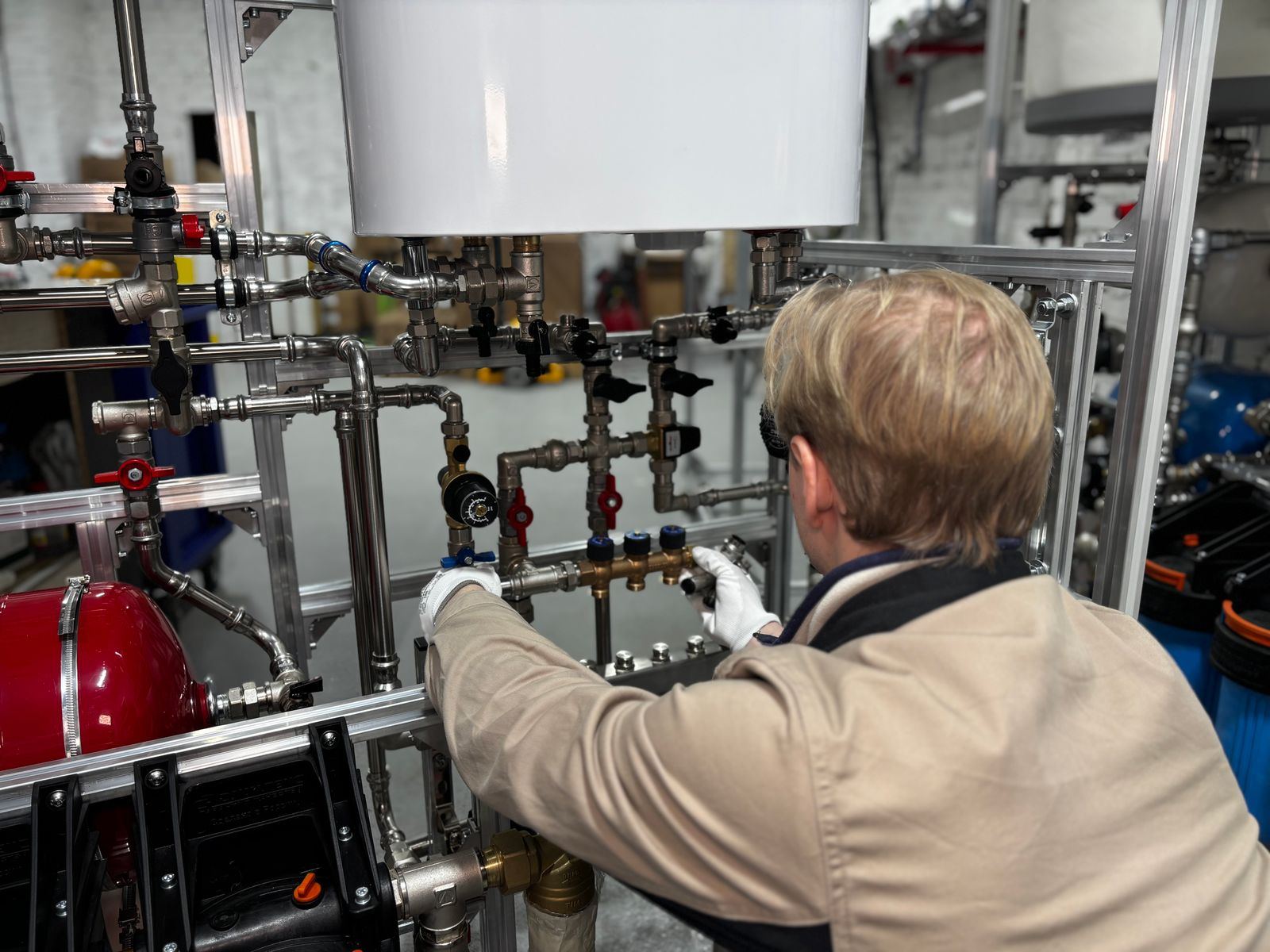
The work is hands-on and specific. We flush the tank until the water runs clean. We pull the anode rod to see how much protection remains and replace it when needed. We lift the T&P valve lever to confirm it opens, then watch it reseat without dripping. For gas equipment, we inspect the burner and flame, pilot or ignition parts, thermocouple or flame sensor, and the vent and draft. For electric equipment, we meter the elements and check the thermostats and wiring. Then we check the expansion tank's pressure, confirm a safe temperature setting near 120 degrees, and look over every fitting for early signs of a leak.
Tankless water heaters have their own maintenance needs. Scale builds up inside the heat exchanger, especially in hard water, and eventually triggers error codes, reduced flow, or temperature swings. We flush the heat exchanger with a pump and descaling solution through the service valves, clean the inlet filter, check the venting and condensate line on condensing models, and review the unit's error history. At the end of any visit, you get a plain-language report of what we found. Call (320) 205-8357 to schedule water heater maintenance in St. Cloud before a small issue turns into a cold shower.
What homeowners call us about most is Water Heater Repair in St. Cloud and Water Heater Replacement in St. Cloud. That's the place to start for most homes.
Warning Signs to Watch For
Catching a symptom early is often the difference between a quick part swap and a tank that gives out on the garage floor. If any of the following sound familiar, it's worth having the unit checked:
- Hot water with a sulfur odor
- No memory of the last time the water heater was serviced
- Hot water running out sooner than it used to
- Rusty or discolored hot water at the tap
- A tankless unit showing error codes or fluctuating temperatures
- Water in the drain pan or on the floor near the heater
- Rumbling, popping, or crackling from the tank as it heats
- Rising utility bills that point to lost efficiency
Small Symptoms, Big Consequences
Tanks rarely fail all at once. They corrode from the inside for months, and the warning signs show up long before the floor gets wet. A quick call to (320) 205-8357 gets a technician out to check it before it becomes an emergency.
Need Help With Water Heater Maintenance?
One call gets a technician scheduled and a clear price before any work starts.
Tap to Call (320) 205-8357Frequently Asked Questions About Water Heater Maintenance
Why Professional Water Heater Maintenance Matters
A few maintenance tasks suit homeowners, and many do not. Keeping clutter away from the heater, checking for leaks, and noticing new noises are all useful. Flushing, anode replacement, relief valve testing, and burner or element work are another story. Hot water, seized fittings, brittle drain valves, and sediment that clogs the valve midway through can turn a simple job into a flooded floor. Relief valves on older heaters sometimes fail to close after testing. And gas-side checks involve flame quality and venting, which affect your household's air.
We come prepared for what an older heater throws at us: replacement drain valves, anode rods sized for your tank, flexible anodes for tight clearances, T&P valves, and meters for testing elements and thermostats. For tankless systems, we bring the pump and descaling setup. Just as important, we know what to look for, from early corrosion at the fittings to a thermocouple starting to weaken, so you can plan a repair before it becomes a failure. What you get is simple: a heater that lasts longer, runs more efficiently, and does not surprise you with a leak.
Step by Step: How a Visit Works
Good water heater work comes down to a consistent routine, and ours starts with a real diagnosis instead of a guess. Here's what you can expect when you choose St. Cloud Water Heater:
Inspection and Safety Test
The visit starts with safety: relief valve testing, a leak check, a look at the burner, pilot, and flue on gas models, and element testing on electric ones.
Tank Flushing
For tankless units, this step becomes descaling: a solution is circulated through the heat exchanger to dissolve scale.
Component Inspection
The anode rod comes out for inspection, and the expansion tank is tested so pressure stays under control.
Plain-Language Summary
After refilling, we confirm the heater is running, adjust the thermostat, and walk you through the condition of each part.
Prevention Tips That Actually Help
Routine maintenance is almost always cheaper and easier than an early replacement. Here's where to begin:
- Ask about water treatment if flushing turns up heavy mineral buildup
- Ask about the anode rod at each visit; it is the tank's main defense against rust
- Make an annual flush part of your home maintenance routine
- Stay on top of tankless descaling to avoid error codes and reduced flow
- Look around the base of the heater periodically for moisture
- Do not store boxes, paint, or chemicals against the water heater
- Avoid turning the tank up past 120 degrees unless a mixing valve is installed
Comparing DIY and Professional Work
The line between a safe DIY check and a risky repair is usually the moment you need to open a gas fitting, a vent connection, or an electrical cover. Here's a comparison:
| Factor | DIY Attempt | Professional Service |
|---|---|---|
| Flushing | Risk of a cracked plastic drain valve | Tank cleared until water runs clean |
| Anode Rod | Condition rarely checked | Replacement matched to your tank |
| Relief Valve | No replacement on hand | Valve operation verified |
| Gas Components | Flame and draft hard to judge | Venting and combustion inspected |
| Tankless Care | Missing pump or isolation valves | Error history reviewed |
| System Pressure | Waterlogged tank missed | Failing tank flagged |
Let's Get Your Hot Water Back
Get your hot water back before a small fault turns into a flooded floor. St. Cloud Water Heater is ready to respond fast.
Call (320) 205-8357 NowWater Heater Maintenance Across the St. Cloud Area
Our service area reaches well past the city limits. Choose your community for local details.