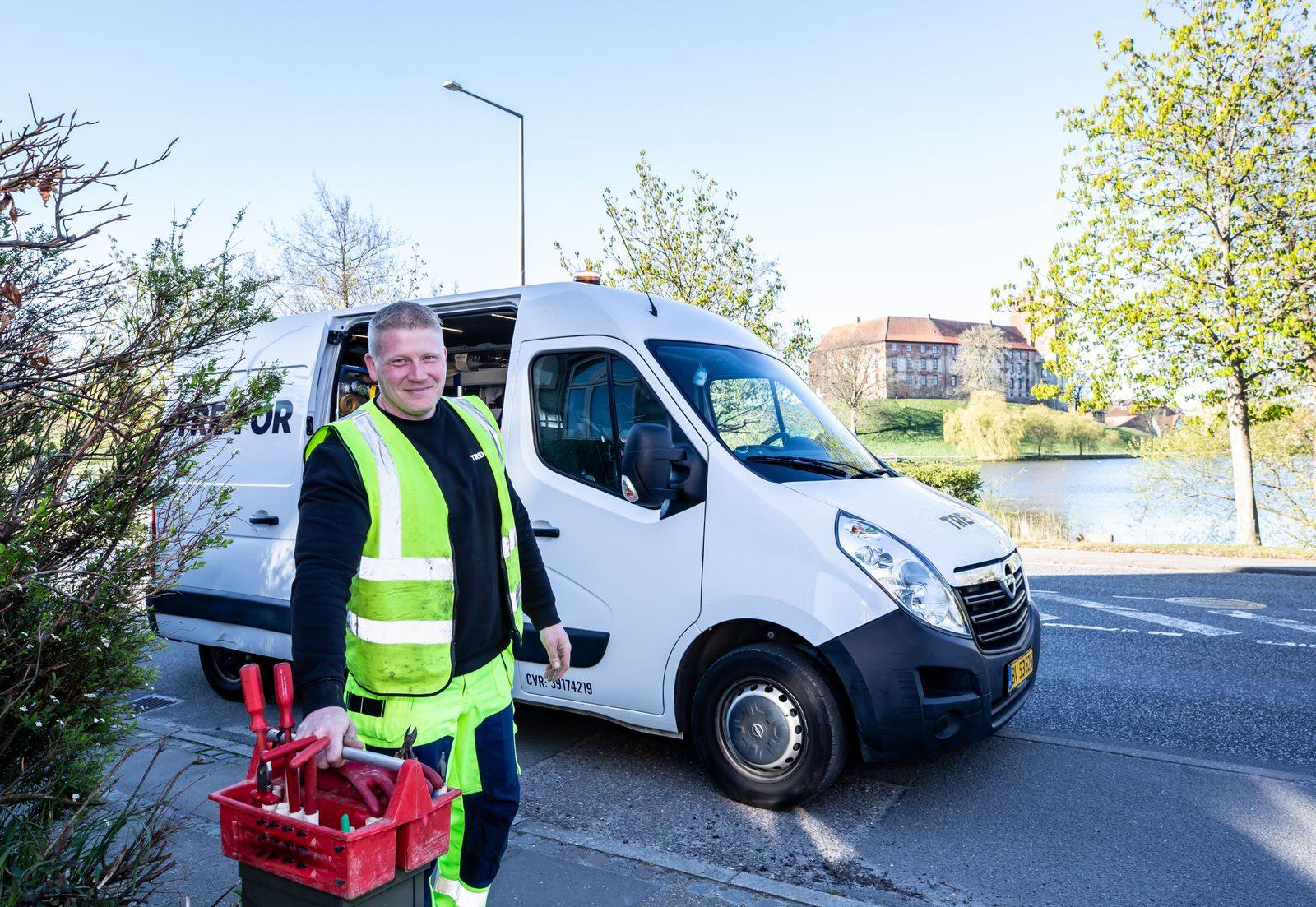
Water heater installation covers more ground than a simple swap. Plenty of St. Cloud, MN projects start with a finished basement or a new addition that needs its own heater. Other jobs involve moving a unit out of a cramped closet, stepping up to a bigger tank for a growing family, or switching fuels entirely. Each of those jobs involves new gas piping, new vent routes, new circuits, or new water lines, and each one has to be planned before the first pipe is cut. We take on installations of every size, from a small point-of-use heater under a sink to a whole-house tankless system.
Sizing and placement decide most of the outcome. For a tank, we compare first-hour ratings against your household's busiest hour; for a tankless unit, we size by flow rate and winter temperature rise. Location comes next. A gas heater needs a vent route and combustion air, a heat pump heater needs open space and a condensate drain, and a whole-house electric tankless unit usually needs a big dedicated circuit and matching panel capacity. Put a heater above a finished ceiling and it needs a drain pan; put a gas unit in a garage and code may require a raised platform. You get the trade-offs in plain terms, with no pressure.
The final stretch is where a careful installer and a fast one part ways. Every gas joint is leak-tested, vent pitch and clearances follow the manufacturer's spec, the circuit and breaker match the heater, and dielectric fittings separate copper from steel. The relief valve discharge line runs full size to where it belongs, and expansion tanks, drain pans, and seismic straps are installed when code requires them, with the permit handled when needed. Then the heater is filled, purged, and fired, draft and carbon monoxide are checked, and the temperature is set near 120 degrees. Call (320) 205-8357 to schedule an assessment for your St. Cloud home.
Swapping out an old tank instead? See Water Heater Replacement in St. Cloud.
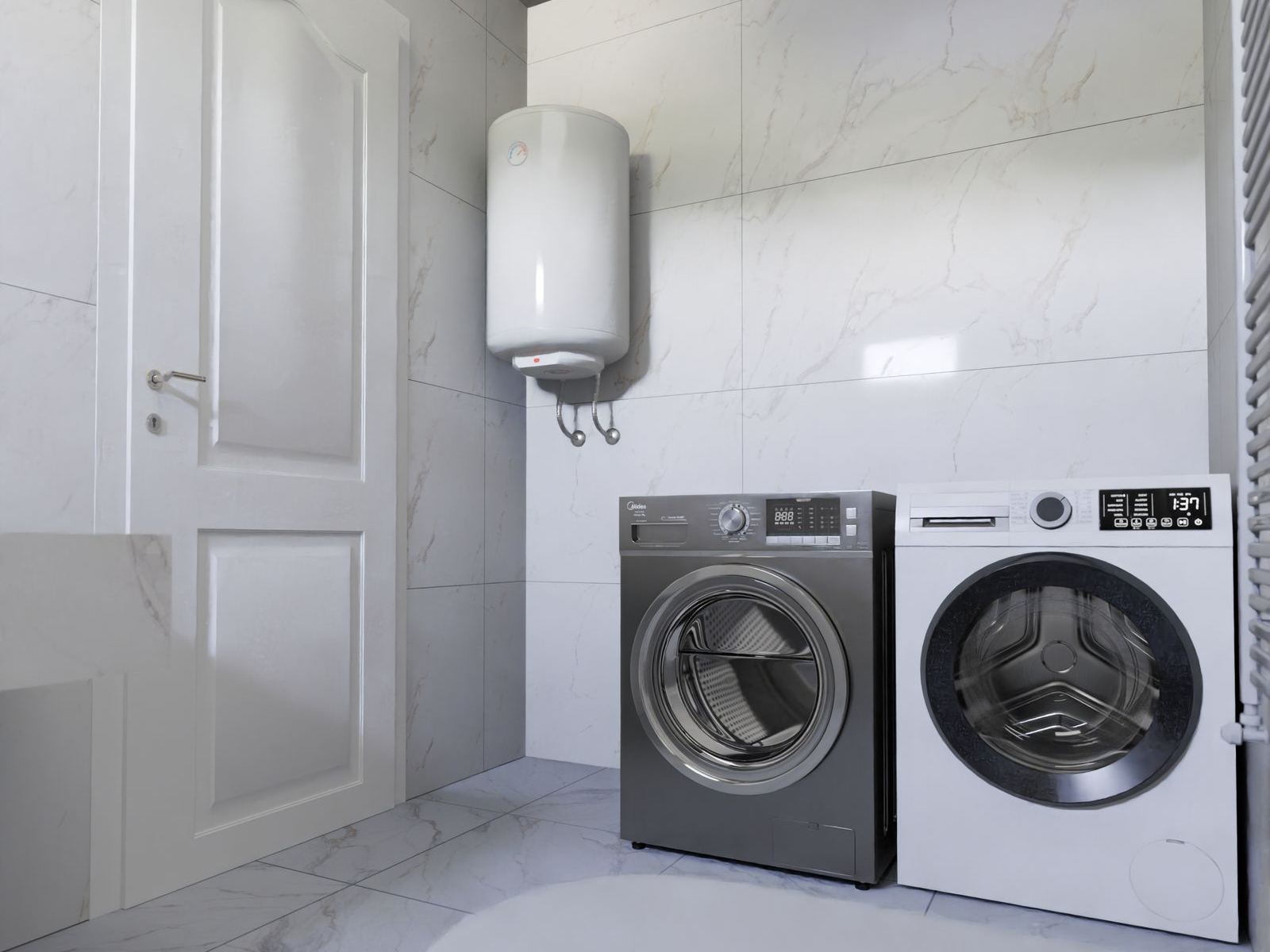
How Much Does Water Heater Installation Cost in St. Cloud?
Most water heater installations in St. Cloud typically run between $1,100 and $5,500 installed. What you pay depends first on the unit you choose, then on how much gas, venting, electrical, and plumbing work the spot needs. You get a written price after a site check, before anything is ordered.
| Installation | Typical cost | What it usually means |
|---|---|---|
| Standard tank, same locationExisting water, gas or power, and venting reused | $1,100–$2,800 | Gas or electric tank hooked up where the old one stood |
| Tankless water heaterSized by flow rate; gas line and venting drive the price | $2,800–$5,500 | Often needs a larger gas line and new venting |
| Heat pump (hybrid) water heaterBefore any rebates; the space matters as much as the unit | $2,800–$5,000 | Needs open air, a condensate drain, and a 240V circuit |
| Relocating the water heaterNew water, gas, or power runs to the new spot | $500–$1,500 added | Moving it out of a closet, attic, or living area |
| New gas line or ventingNeeded when the fuel demand or vent type changes | $300–$1,200 | Common with tankless and high-efficiency units |
| Dedicated 240V circuitElectric tanks, electric tankless, and heat pump units | $300–$1,000 | Depends on panel space and the length of the wire run |
| Expansion tank, drain pan, strapsProtects against pressure spikes, leaks, and movement | $150–$500 | Protects against pressure spikes, leaks, and movement |
These are common installed price ranges, not quotes. We confirm the exact price after a site check.
Factors That Change the Price
- Tank, tankless, or heat pump, and the capacity your household needs
- How much gas, venting, or electrical work the new heater requires
- Moving the heater to a new location versus installing in the same spot
- Permits and code items your area requires
Planning ahead lets you pick the right unit instead of whatever is on the truck the day the old one fails. Ranges are typical, not quotes; call (320) 205-8357 and we'll price your install.
When to Call for Water Heater Installation
Recognizing the warning signs early can save you money and keep a slow drip from turning into a flooded utility room. Keep an eye out for the following:
- Taps at the far end of the house that take minutes to warm up
- Remodel plans that add fixtures or a second bathroom
- A large soaking tub that a standard tank cannot fill
- An older install without an expansion tank, pan, or straps where required
- New construction or a major renovation that needs a heater from scratch
- A planned switch from gas to electric, or to a heat pump model
- A tank in a tight spot that is hard to service or replace
- A tank that cannot keep up with your household anymore
Small Symptoms, Big Consequences
Tanks rarely fail all at once. They corrode from the inside for months, and the warning signs show up long before the floor gets wet. At the first hint of a problem, reach out to St. Cloud Water Heater at (320) 205-8357 and we'll take a look.
Talk to Us About Water Heater Installation
One call gets a technician scheduled and a clear price before any work starts.
Call (320) 205-8357 NowYour Water Heater Installation Questions Answered
Why Hire a Professional for Water Heater Installation?
Consider the gas side first. A new heater on an undersized line starves for fuel whenever the furnace or range is running, and a whole-house tankless unit often needs a larger line than the house already has. Vent material, size, pitch, and clearances all have to be right, or exhaust drifts back inside. Electric models bring their own math, since breaker, wire gauge, and panel capacity all have to match. Add relief valve piping, dielectric fittings, expansion tanks, drain pans, seismic straps, and permit rules that vary from one jurisdiction to the next, and there are a lot of details to get right.
Professional service handles every trade involved, not just setting the heater. We size by first-hour rating or flow rate, run and test the gas piping, route the vent to spec, match the circuit to the load, and add expansion tanks, drain pans, or straps where required. Gas units get a draft and carbon monoxide check before we leave. You end up with an installation that is safe, properly sized, and ready for inspection. If a smaller or simpler heater fits your needs better, you will hear it from us directly.
How We Handle Water Heater Installation
We work through a clear, repeatable process so you always know what's happening and what it will cost. Here's a look at each step our team takes:
Planning & Sizing
We size the heater to your household, pick the best location with you, and check gas supply, vent routes, electrical capacity, and code requirements.
Clear Plan & Price
Nothing happens without your approval. We explain the choices, the work each one requires, and one firm price with nothing left vague.
Installation Day
Gas piping, venting, circuits, and water lines go in cleanly, with the relief valve piped to a safe point and required code items installed.
Verified Startup
The heater is filled, purged, and fired for the first time while we test every joint for leaks, confirm draft and carbon monoxide on gas units, and set the temperature.
Not Sure What You Need?
We give honest advice and upfront pricing on every job, big or small.
Tap to Call (320) 205-8357Tips to Keep Your Water Heater Healthy
A few simple habits, like an annual flush and a quick look at the relief valve, can add years to a tank. Put these technician-approved steps to work at home:
- Moisture in the drain pan or at the relief line is an early warning worth a call
- Plan an annual descaling if you installed a tankless unit
- Have the anode rod inspected every few years to protect the tank
- A 120-degree setting protects against burns and slows mineral buildup
- Keep flammable liquids and clutter away from gas heaters
- Keep a clear path to the heater so it can be serviced and inspected easily
- Flush a tank every six to twelve months to keep sediment from settling
Should You DIY or Call a Pro?
Online videos may help in a pinch, yet lasting repairs and code-compliant installs depend on correct venting, proper relief valve discharge piping, and a trained technician. Consider the following comparison:
| Factor | DIY Attempt | Hiring a Pro |
|---|---|---|
| Capacity | Picked by tank gallons alone | Matched to real household demand |
| Gas Supply | No check of the total gas load | Load calculated, leaks tested |
| Venting | Mixed or incorrect vent materials | Routed to the manufacturer's spec |
| Wiring | Panel capacity never checked | Breaker, wire, and panel verified |
| Code & Permits | Permit and inspection overlooked | Ready for inspection |
| Result | Risky shortcuts behind the jacket | Safe, sized, and verified |
Get Water Heater Installation Help Today
Get your hot water back before a small fault turns into a flooded floor. St. Cloud Water Heater is ready to respond fast.
Call (320) 205-8357 TodayWhere We Provide Water Heater Installation
We bring water heater installation to homes and businesses in town and across the nearby communities. Pick your area to see local details.