A tankless water heater takes a different approach: instead of keeping a full tank of water hot around the clock, it heats water only while a tap is open. Flow through the unit trips a sensor, a powerful burner or electric element fires, and the water is heated as it passes through a compact heat exchanger. The benefits are real: no standby heat loss, hot water that does not run out during back-to-back showers, a wall-mounted unit that frees up floor space, and a service life that often runs close to two decades with maintenance. For many households in St. Cloud, MN, that makes tankless a smart upgrade.
Undersizing is the number one tankless mistake we see. A unit rated for plenty of flow on a spring day can struggle in winter, when incoming water is much colder and the heater has to raise it far more. So we size for your coldest months and your busiest moments, counting the fixtures that run together. We also confirm the gas line and meter can feed a burner that may be rated near 199,000 BTU, choose the correct venting for the specific unit, and plan a condensate drain with a neutralizer where needed. For electric tankless, we check the panel first, because these units draw serious amperage.
Details decide how well a tankless system ages. We install service valves on every unit so descaling is quick, pipe the relief valve to a safe discharge point, build the gas connection with a sediment trap, and run venting exactly to the manufacturer's specifications. Hard water gets addressed up front with a softener or scale filter discussion, because scale is what clogs heat exchangers. Recirculation is available too if a far bathroom takes too long to get hot. Permits are pulled where required, and you get a walkthrough of settings, error codes, and upkeep. Call (320) 205-8357 to get started in St. Cloud.
Our most requested service is Water Heater Installation in St. Cloud. Either is a good place to start.
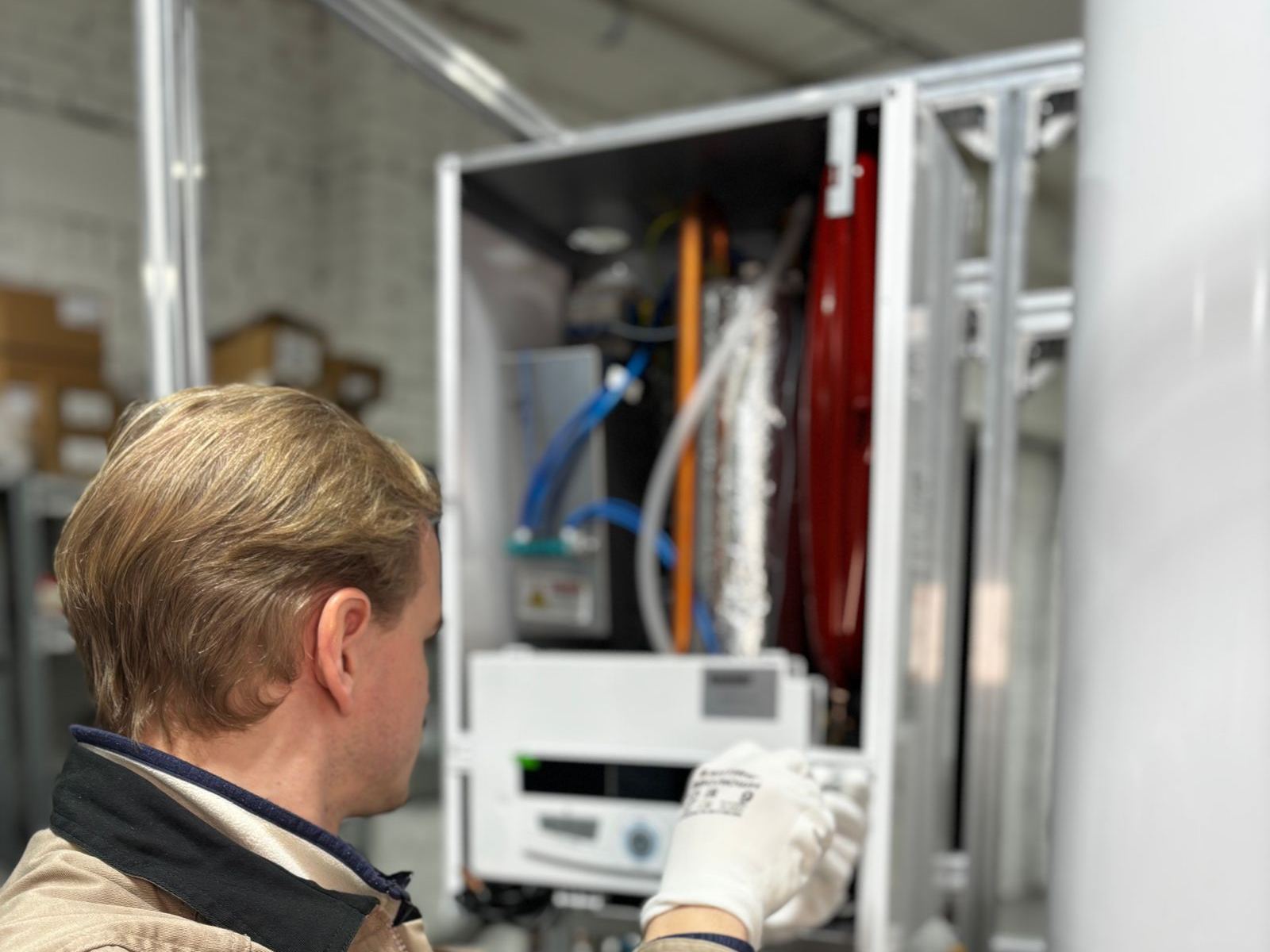
Signs You Need Tankless Water Heater Installation in St. Cloud
Catching a symptom early is often the difference between a quick part swap and a tank that gives out on the garage floor. These are the red flags our technicians see most often before a breakdown:
- A distant bath or detached space that needs its own hot water source
- Renovation work that makes gas line and vent changes easier to fit in
- Showers turning lukewarm before everyone gets a turn
- A remodel that would benefit from a compact wall-mounted heater
- Interest in a longer-lasting heater with replaceable parts
- A tank water heater that is ten years old or more and due for replacement
- Adding a bathroom, soaking tub, or larger shower that needs more hot water
- Energy bills that reflect a tank heating water around the clock
Early Action Saves Money
Left alone, even minor symptoms like rumbling or temperatures that swing from hot to warm tend to mean the heater is working its way toward a breakdown. Don't wait. Get St. Cloud Water Heater on the phone at (320) 205-8357 and we'll get a technician scheduled.
Talk to Us About Tankless Water Heater Installation
One call gets a technician scheduled and a clear price before any work starts.
Tap to Call (320) 205-8357Your Tankless Water Heater Installation Questions Answered
Why Hire a Professional for Tankless Water Heater Installation?
Tankless installation asks much more of a home than a like-for-like tank swap. A whole-home gas unit can demand several times the gas flow of a standard tank, and running it on an undersized line causes ignition faults and inconsistent temperatures. Venting is equally specific: condensing units use plastic vent pipe and need a condensate drain, non-condensing units need stainless steel, and neither can simply reuse the old tank's flue in most cases. Electric tankless can require several dedicated high-amperage breakers, and mistakes with gas, venting, or high-amperage wiring carry serious safety consequences.
We take the guesswork out of going tankless. That starts with sizing for your busiest hour and coldest water, then making sure the home's gas, vent, and power can support it. We install with service valves for descaling, proper relief valve discharge, and venting built to the manual, then run the unit at full flow before we leave. If a tankless unit is not the best choice for your home, because of cost, supply limits, or how you use hot water, we say so and help you compare other options honestly.
Our Tankless Water Heater Installation Process
Good water heater work comes down to a consistent routine, and ours starts with a real diagnosis instead of a guess. Here's how we handle tankless water heater installation from start to finish:
Flow Rate & Temperature Rise
Sizing starts with your peak demand in GPM and the temperature rise needed for cold winter water. That pairing tells us which unit will actually keep up.
Gas, Venting & Power Check
Whole-home tankless units need big gas lines or big electrical circuits. We verify yours, choose condensing or non-condensing venting, and plan the condensate drain.
Careful Install
Every connection follows the manual and local code: gas, venting, relief valve discharge, condensate, and isolation valves for future maintenance, with permits handled where required.
Startup & Verification
We fire the unit at full demand, check gas pressure under load, confirm the vent and condensate work, set the temperature, and show you how everything operates.
Prevention Tips That Actually Help
A few simple habits, like an annual flush and a quick look at the relief valve, can add years to a tank. Put these technician-approved steps to work at home:
- In freezing weather, keep the unit powered and insulate exposed piping
- Descale the heat exchanger once a year, or more often with hard water
- Avoid cranking the temperature higher than you need; about 120F works for most homes
- Hard water shortens tankless life, so ask about scale protection
- Write down any error codes and call early rather than resetting repeatedly
- Keep the inlet screen clear so flow stays strong and the unit fires reliably
- Make sure the outside vent and intake are never blocked
Comparing DIY and Professional Work
A few tasks, like checking the temperature setting or lifting the relief valve lever to test it, are fine for homeowners, but most water heater work involves gas lines, venting, 240-volt circuits, or a tank full of scalding water, and that belongs with a professional. A side-by-side look:
| Consideration | Doing It Yourself | Hiring a Pro |
|---|---|---|
| Capacity | Guessed from the old tank size | Calculated for your coldest months |
| Gas Supply | Old half-inch line reused regardless of load | Line and meter verified for full BTU demand |
| Venting | Exhaust risk from improper venting | Condensing or stainless venting done properly |
| Power Needs | Overloaded circuits and tripped breakers | Dedicated breakers sized correctly |
| Maintenance Access | Hard water left unaddressed | Built for easy annual service |
| Outcome | Lukewarm water and error codes | Steady hot water at real demand |
Get Tankless Water Heater Installation Help Today
Get your hot water back before a small fault turns into a flooded floor. St. Cloud Water Heater is ready to respond fast.
Call (320) 205-8357 NowWhere We Provide Tankless Water Heater Installation
We serve St. Cloud and its neighboring towns for tankless water heater installation, from quick same-day repairs to planned installs.